Takatsuki Style: Elevating Japanese Aesthetics in Digital Design
In the world of typography, fonts serve as more than just a means to display text—they shape perception, evoke emotion, and reflect cultural identity. Takatsuki Style, a Japanese display font, stands out for its elegant fusion of ethnic and cultural elements within each glyph. Designed with both aesthetics and functionality in mind, this font is ideal for professionals and creatives who wish to incorporate authentic Japanese visual culture into their work. Whether you're running a Japanese restaurant, launching a fashion brand inspired by traditional styles, or creating digital content that celebrates Japanese arts, Takatsuki Style can be an essential asset in your design toolkit.
What Is Takatsuki Style?
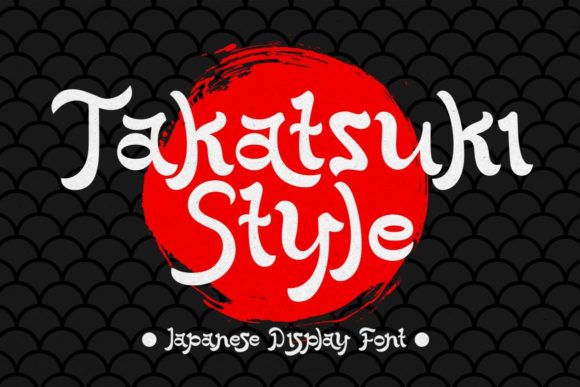
Takatsuki Style is a display font that captures the essence of Japanese calligraphy and modern design sensibilities. Its unique character set blends traditional motifs with contemporary forms, offering a visually rich experience that honors the heritage of Japanese typography while being adaptable to modern applications. The font’s glyphs are carefully crafted to maintain clarity at large sizes, making it especially suitable for headings, logos, posters, and other high-impact design elements.
The name "Takatsuki" draws from the town of Takatsuki in Osaka Prefecture, known for its historical significance and cultural richness. This connection underscores the font's mission to bring a touch of Japan’s timeless beauty into digital spaces. Unlike many generic fonts, Takatsuki Style is not just decorative—it tells a story through every stroke and curve.
Where Does Takatsuki Style Fit In Your Workflow?
Typography plays a crucial role in branding and communication. When working on a project that involves Japanese themes—whether in marketing, education, publishing, or business—choosing the right font can significantly enhance the authenticity and appeal of your output. Takatsuki Style fits naturally into various stages of the creative process:
- Preparation Stage: Use Takatsuki Style during initial brainstorming and mood board creation to establish a Japanese-inspired visual direction.
- Design Execution: Incorporate the font in logo designs, packaging, website headers, or print materials to align with the intended cultural tone.
- Post-Production: Apply the font for final touches such as title cards, promotional banners, or social media assets to maintain consistency across all platforms.
Integration Into Branding Projects
For entrepreneurs and small business owners in the Japanese food or clothing industry, Takatsuki Style can become a cornerstone of visual branding. It adds a layer of sophistication and cultural resonance that helps differentiate your brand in a competitive market. For example, if you're designing a new menu for your sushi restaurant, using Takatsuki Style in the header and section titles can create an immersive dining experience even before customers taste the first bite.
When used alongside traditional Japanese symbols or imagery, such as cherry blossoms, tea ceremonies, or ukiyo-e art, the font enhances the overall narrative without overwhelming the design. It works well with tools like Adobe Illustrator, Photoshop, or Canva, where you can pair it with vector graphics, hand-drawn illustrations, or minimalist layouts to achieve balance and harmony.
Application in Creative Processes
Creative professionals, including graphic designers, bloggers, and publishers, often seek ways to infuse personality into their projects. Takatsuki Style provides a unique voice for any content that aims to highlight Japanese culture or traditions. Here’s how it can be applied in different creative workflows:
- Web Design: Use it for hero sections or landing page headlines to immediately convey a Japanese aesthetic. Ensure that the rest of the site uses complementary, legible fonts for body text.
- Print Media: Ideal for event invitations, festival flyers, or book covers related to Japanese literature, history, or art. Its elegance ensures readability while maintaining a strong visual presence.
- Digital Content Creation: Apply it in YouTube thumbnails, Instagram posts, or TikTok videos targeting audiences interested in Japanese pop culture, language learning, or travel.
How to Access and Use All Glyphs with PUA Encoding
Takatsuki Style is PUA encoded, which means it supports a wide range of special characters, swashes, and alternate glyphs beyond the standard keyboard layout. This feature allows users to access decorative elements that add depth and uniqueness to their designs. To use these glyphs effectively:
- Install the font on your system and open it in a font viewer tool (such as FontForge or BirdFont) to explore the full character set.
- Use software like Adobe Illustrator or Photoshop that support PUA encoding. Open the Glyphs panel to browse and insert alternate characters directly into your project.
- If you're using online tools like Canva or Figma, ensure the font is properly installed via custom upload options to access all stylistic variations.
This level of customization makes Takatsuki Style particularly valuable for those looking to add subtle cultural flair without sacrificing professionalism or readability.
Practical Tips for Using Takatsuki Style
To make the most of Takatsuki Style, consider the following practical tips based on real-world usage scenarios:
- Contrast Matters: Since it is a display font, avoid using it for long paragraphs. Instead, pair it with a clean sans-serif or serif font for body text to maintain legibility and visual hierarchy.
- Color Choices: Opt for muted tones like indigo, ochre, or charcoal gray to complement the font’s organic feel. Vibrant colors may also work well for attention-grabbing purposes but should be used thoughtfully.
- Layer with Cultural Elements: Combine the font with traditional Japanese patterns or textures to reinforce the theme. Tools like Procreate or Photoshop brushes can help integrate these elements seamlessly.
- Test Across Devices: Always preview your design on different screens and resolutions to ensure the font displays correctly and maintains its charm across all formats.
Workflow Example: Creating a Japanese-Themed Poster
Here’s a step-by-step workflow example for using Takatsuki Style in a poster design for a cultural event:
- Define the Purpose: Determine the event’s theme—perhaps a tea ceremony, sumo match, or kimono exhibition—and decide on the message you want to communicate.
- Select a Color Palette: Choose colors that reflect the event, such as deep reds for sumo or soft pastels for tea ceremonies.
- Install Takatsuki Style: Load the font into your design software and familiarize yourself with the available glyphs.
- Layout Composition: Use Takatsuki Style for the headline and key phrases. Keep supporting text in a simpler font to avoid clutter.
- Add Supporting Graphics: Insert relevant icons, illustrations, or photos that resonate with the event’s theme.
- Final Touches: Adjust spacing, alignment, and contrast to ensure the design feels cohesive and impactful.
Ensuring Compatibility and Long-Term Usability
While Takatsuki Style offers a compelling visual style, ensuring compatibility across platforms is essential. Test the font on different operating systems (Windows, macOS, Linux) and devices (mobile, tablet, desktop) to confirm consistent rendering. If you’re embedding the font in web projects, convert it to WOFF or TTF format using tools like Font Squirrel or Transfonter for cross-browser support.
Additionally, organize your font files in a dedicated folder to streamline future access. Create naming conventions that distinguish between different versions (e.g., regular, bold, italic) to maintain clarity in multi-font projects. For teams or clients, share clear documentation on how to install and access the PUA-encoded glyphs to prevent confusion and ensure smooth collaboration.
Why Choose Takatsuki Style Over Other Japanese Fonts?
Many Japanese fonts lean heavily toward traditional styles like Gothic or Mincho, which are excellent for specific use cases but may lack the artistic versatility needed for broader creative projects. Takatsuki Style bridges the gap between classic and contemporary, offering a fresh yet respectful interpretation of Japanese letterforms. Its stylized glyphs allow for greater flexibility in design contexts, from minimalist layouts to bold, eye-catching presentations.
Moreover, Takatsuki Style avoids over-the-top embellishments that can compromise readability. Each character is designed to retain its core structure while adding subtle cultural details. This balance makes it a versatile choice for both native Japanese speakers and international audiences seeking to represent Japanese culture accurately and tastefully.
Use Cases Beyond Branding and Design
Though Takatsuki Style excels in commercial and creative settings, it also has potential in educational and personal contexts. Educators teaching Japanese language or culture can use it in presentation slides or handouts to engage students with a visual representation of the material. Hobbyists crafting personal blogs about Japan or travelers documenting their journeys might find it useful for adding a distinct flavor to their written content.
Freelancers in fields like editorial design or packaging can leverage Takatsuki Style to stand out in niche markets. For instance, when designing a product label for a sake bottle or a traditional craft item, the font can elevate the perceived value and authenticity of the product.
Best Practices for Consistency and Quality Control
Consistency is key in professional design. When using Takatsuki Style, define a typographic system that outlines how and where the font will appear. Consider the following guidelines:
- Limit its use to primary headings and accents. Reserve it for moments where impact and cultural nuance matter most.
- Establish a fallback plan in case the font isn’t accessible on a user’s device. Select a similar Japanese-style font as an alternative to maintain the visual tone.
- Review your designs for uniformity—ensure that the font size, weight, and spacing remain consistent throughout the project.
- Whenever possible, export your final work with embedded fonts or convert text to outlines to preserve the exact appearance across different environments.
Long-Term Value and Adaptability
Investing in Takatsuki Style offers long-term benefits for businesses and individuals who rely on consistent branding. As trends evolve, having a font that embodies cultural integrity ensures your work remains relevant and respected. It’s also scalable—use it for small-scale projects like greeting cards or expand it to larger campaigns such as website redesigns or product launches.
Because it supports multilingual characters and PUA-encoded extras, Takatsuki Style adapts well to diverse needs. You can use it for bilingual content, incorporating English and Japanese text side by side, or for showcasing poetic expressions and slogans in kanji and kana.
Conclusion
Takatsuki Style is more than just a font—it's a bridge between tradition and innovation, offering a refined way to celebrate Japanese culture in digital and print design. By integrating it thoughtfully into your workflow, you can enhance the visual storytelling of your projects and connect with audiences on a deeper level. Whether you're building a brand, creating educational content, or simply exploring the beauty of Japanese typography, this font provides the tools to express your vision authentically and effectively.
With proper preparation, compatibility checks, and thoughtful application, Takatsuki Style can become a reliable part of your creative arsenal. Embrace its unique qualities and let it guide your next project toward a more culturally resonant outcome.