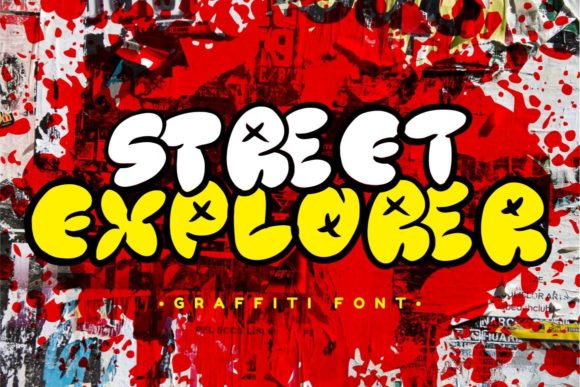
Street Explorer: A Graffiti-Style Font for Urban-Inspired Design
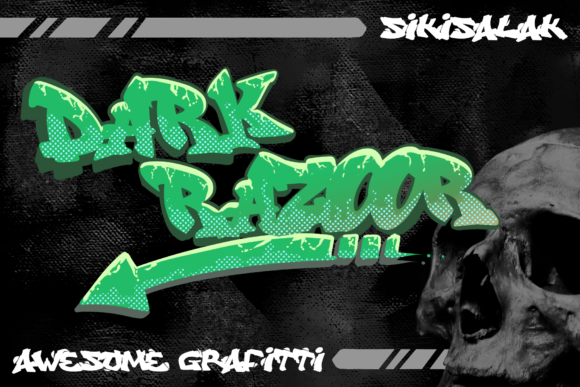
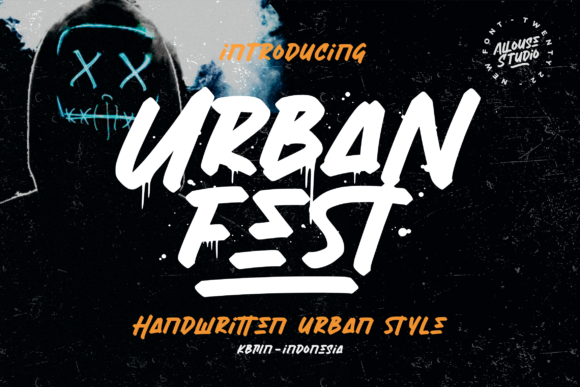
Graffiti has long been a powerful form of self-expression and street culture. It’s bold, edgy, and unapologetically raw. For designers looking to capture that urban energy in their work, the right font can make all the difference. Enter Street Explorer, a graffiti-style typeface inspired by the vibrant, expressive lettering found on city walls around the world. This font brings the spirit of street art into digital design, making it easier than ever to create impactful visual content with an authentic edge.
Understanding the Need for a Graffiti-Style Font
Many designers face the challenge of incorporating graffiti aesthetics into their projects without compromising readability or professionalism. Whether you’re working on branding for a youth-oriented business, designing a poster for a music event, or creating wall art for a trendy café, finding a font that balances style and usability is essential. Traditional graffiti is often messy and difficult to replicate digitally, which is where Street Explorer steps in as a practical solution.
The goal for many creatives is to infuse their designs with a sense of rebellion and authenticity. However, they also need tools that are easy to use and integrate seamlessly into design software. That’s where the unique features of Street Explorer come into play — offering both artistic flair and functional design capabilities.
Who Can Benefit from Street Explorer?
- Graphic designers who want to add a modern, urban twist to logos, posters, and advertisements.
- Branding professionals aiming to connect with younger audiences through edgy, contemporary typography.
- Artists and illustrators seeking inspiration from street culture for murals, digital art, and other visual projects.
- Marketing teams designing promotional materials for events, concerts, or urban-themed campaigns.
How Street Explorer Meets Design Needs
Street Explorer is more than just a font — it's a tool that bridges the gap between hand-painted graffiti and digital design. Its characters are crafted to mimic the natural flow and spontaneity of spray-paint lettering, yet they remain structured enough to be used effectively in professional contexts. The result is a typeface that feels alive, dynamic, and unmistakably urban.
One standout feature is its use of ligatures, which allow letters to connect smoothly, just like in real-life graffiti. These ligatures enhance the overall look of the text, giving it a more cohesive and stylized appearance. Whether you're writing a short phrase or a longer headline, these details help your message stand out and resonate with the target audience.
Additionally, the font is PUA encoded, meaning every glyph, symbol, and swash is easily accessible through design software like Adobe Illustrator or Photoshop. This makes the creative process faster and more intuitive, allowing users to focus on bringing their vision to life rather than wrestling with font limitations.
Practical Applications of Street Explorer
Thanks to its versatility, Street Explorer can be used across a wide range of design projects. Here are some common applications:
- Branding: Use it for logo design or brand identity elements that appeal to a young, urban demographic.
- Packaging: Add a rebellious vibe to product labels or boxes for fashion, streetwear, or lifestyle brands.
- Wall Art: Create digital mockups for murals or large-scale installations that reflect the raw energy of street culture.
- Headlines & Templates: Ideal for attention-grabbing headlines in magazines, websites, or social media posts.
- Banners & Posters: Bring a sense of urgency and creativity to event promotions or advertising campaigns.
Each project benefits from the font’s ability to convey attitude while maintaining clarity. With thoughtful layering and spacing, Street Explorer ensures legibility even when using exaggerated styles.
Real-World Examples of Street Explorer in Action
Let’s explore how different industries have successfully integrated Street Explorer into their creative workflows:
Case Study: Streetwear Brand Logo Design
A local streetwear label was struggling to find a font that matched their brand ethos. They wanted something that reflected their roots in urban culture but still looked clean and professional. After experimenting with several options, they chose Street Explorer for its graffiti aesthetic and strong visual impact. The final logo felt authentic and stood out in a crowded market, helping them build a loyal customer base.
Case Study: Music Festival Poster
A designer tasked with creating a poster for a hip-hop festival needed a font that could grab attention from a distance. By using Street Explorer, they were able to craft a dynamic headline that echoed the energy of the event. The ligatures helped create seamless, flowing text, while the bold character shapes made the title impossible to ignore. The outcome was a visually striking poster that drove ticket sales and engagement.
Recommendations for Using Street Explorer Effectively
To get the most out of Street Explorer, consider the following tips:
- Pair it wisely: Combine Street Explorer with a clean sans-serif or minimalist font to balance its boldness. This contrast can highlight the main message and guide the viewer’s eye naturally.
- Use color strategically: While the font is designed to look great in black and white, experimenting with colors like neon green, red, or electric blue can enhance its graffiti-inspired feel.
- Don’t overdo it: Although it’s tempting to use this font everywhere, applying it selectively ensures it remains impactful. Save it for headlines, taglines, or focal points.
- Leverage the glyphs: Take advantage of the extra symbols and swashes included in the font to add unique flourishes to your designs. These small touches can elevate the overall look significantly.
Design Considerations
When implementing Street Explorer into your work, it’s important to keep your audience and purpose in mind. For example:
- If you're designing for a corporate event, consider using the font in moderation with a more refined layout.
- If you're working on a street art exhibition, go all-in with layered effects, contrasting colors, and full utilization of ligatures and swashes.
- For social media graphics, pair it with high-contrast backgrounds and limited text to maximize visibility and shareability.
By tailoring your approach to the specific needs of each project, you can ensure that Street Explorer enhances rather than overwhelms the design.
Why Choose Street Explorer Over Other Fonts?
While there are many graffiti-style fonts available, Street Explorer distinguishes itself by being both artistically rich and user-friendly. Many similar fonts require advanced knowledge to access special characters or ligatures, but with PUA encoding, users can quickly select and apply any glyph without technical hurdles.
Another key advantage is its adaptability. Unlike generic graffiti fonts that may appear too chaotic or illegible, Street Explorer maintains a level of structure that works well in various formats — from print to web, and everything in between. It allows for creative freedom without sacrificing functionality, making it suitable for both amateurs and seasoned designers.
Different Approaches Based on User Goals
Depending on your experience level and objectives, you might use Street Explorer in different ways:
- Beginners: Start with simple phrases and experiment with basic design tools. Focus on learning how to layer the font and adjust stroke widths to match the mood of your project.
- Experienced designers: Explore advanced typographic techniques, such as combining multiple layers of the font or integrating it with vector illustrations for maximum impact.
- Business owners: Incorporate Street Explorer into marketing materials to establish a bold, youthful brand image that stands out in competitive markets.
No matter your background, this font offers a pathway to express creativity with confidence and clarity.
Getting Started with Street Explorer
Using Street Explorer is straightforward. Once installed, open your preferred design software and start typing. To access the special ligatures and glyphs, use the Character Map or OpenType panel. From there, you can customize your text with alternative forms, decorative strokes, and connecting characters to suit your vision.
Here’s a quick guide to installing and using the font:
- Download the Street Explorer font package from a trusted source.
- Install the font on your computer by double-clicking the file and following the prompts.
- Open your design software (like Illustrator or Photoshop) and select Street Explorer from the font menu.
- Experiment with the ligatures and glyphs to find the perfect combination for your project.
Once you’ve got the hang of it, you’ll wonder why you didn’t start using it sooner. The ease of implementation means less time spent troubleshooting and more time creating compelling visuals.
Conclusion
Street Explorer is more than just a graffiti-style font — it’s a bridge between street culture and modern design. Its blend of raw energy and structured typography makes it a valuable asset for anyone looking to make a statement with their visuals. Whether you're a designer, marketer, or artist, this font empowers you to create work that resonates with today’s audiences while staying true to your creative intent.
With thoughtful application, Street Explorer can transform your projects into bold, memorable pieces that capture attention and communicate personality. So next time you’re brainstorming a new design, remember — the streets have spoken, and now you can too.