Space of Time: A Versatile Font for Modern Design Needs
Fonts play a crucial role in shaping how we perceive visual content. Whether it's a logo, a website headline, or a magazine cover, the right typeface can elevate the message and create a lasting impression. One font that stands out for its bold character and futuristic appeal is Space of Time. Designed with a techno-inspired aesthetic, this display font is ideal for designers, entrepreneurs, and creatives who want to make their projects visually striking without overcomplicating the design.
What Makes Space of Time Unique?
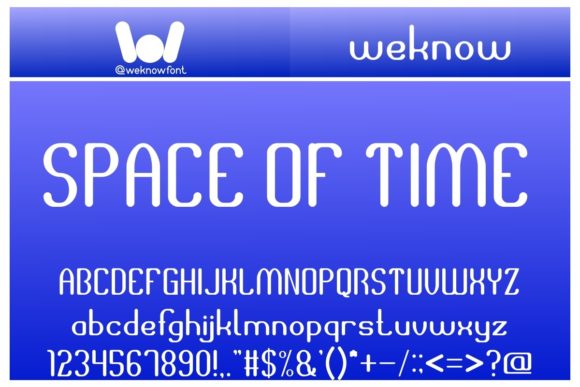
Space of Time combines clean lines with a digital edge, giving it a modern feel that works across various platforms. It’s not your typical sans-serif or serif font — it has a distinct personality that blends geometric shapes with subtle gradients in some versions. This makes it particularly suitable for use in logos, headlines, and branding materials where a strong visual identity is key.
The font’s name hints at its essence: a balance between space (openness, clarity) and time (evolution, movement). The result is a versatile tool that feels both contemporary and timeless. Its readability at large sizes ensures that it won’t lose impact on billboards, posters, or screens.
Real-World Uses for Space of Time
Many professionals have found Space of Time to be an excellent choice for high-impact visuals. Here are some common scenarios where this font shines:
- Logo Design: Startups and tech companies often seek a sleek, memorable look. Space of Time adds a futuristic touch while maintaining professionalism. For example, a cybersecurity firm might use it to project innovation and trustworthiness.
- Corporate Identity: When designing presentations, brochures, or internal communications, the font brings a fresh energy without being too flashy. It’s perfect for brands aiming to stand out in competitive markets like fintech or software development.
- Apparel Industry: Fashion labels looking to create edgy t-shirt designs or branded merchandise can benefit from the font’s bold structure. A streetwear brand might pair it with neon colors for maximum visibility on garments.
- Posters and Event Promotions: Concerts, film festivals, or product launches need attention-grabbing typography. With Space of Time, you can craft a poster that immediately conveys excitement and modernity.
- Digital Content: Bloggers, YouTubers, and Instagrammers can leverage the font for headers, titles, and thumbnails. Its adaptability means it looks great on mobile devices and desktops alike.
Why Use Space of Time for Digital Projects?
In the digital world, first impressions matter. Your website’s header or YouTube thumbnail needs to catch attention quickly. Space of Time offers a unique blend of style and clarity that helps achieve that goal. For instance, a lifestyle blogger might use it in a minimalist layout to highlight a new travel guide, making the title pop without overwhelming the reader.
One thing I’ve noticed when working with clients is that they often struggle to find fonts that work across multiple formats. Space of Time solves this by offering a consistent visual language whether used in print or digital media. It also pairs well with more traditional fonts, allowing for a balanced hierarchy in design layouts.
Space of Time in Creative Industries
Graphic designers, especially those in the entertainment sector, frequently turn to display fonts like Space of Time for movie posters, album covers, and game packaging. Its structured yet dynamic appearance fits well with sci-fi themes, cyberpunk aesthetics, and even retro-futuristic concepts. If you're working on a comic book or a video game splash screen, consider using Space of Time to give your project a modern edge.
Another area where this font excels is in publishing. Book covers, especially for genres like technology, fantasy, or dystopian fiction, benefit from its bold presence. It allows authors and publishers to create a sense of urgency or innovation with just the right typographic choice.
How Educators and Presenters Can Benefit
Teachers and trainers often need engaging slides to keep students interested. While many default to standard fonts like Arial or Calibri, these can become stale. Using Space of Time for presentation titles or infographic headers introduces a refreshing twist. It’s particularly effective for STEM-related topics or any subject tied to future trends.
I once helped a university professor redesign his lecture slides. He was teaching a course on AI and robotics, and he wanted to reflect the cutting-edge nature of the subject. By integrating Space of Time into the slide headers, the overall design felt more aligned with the course theme and attracted more student engagement during class discussions.
Choosing the Right Style for Your Project
Before downloading Space of Time, it’s important to understand the different styles available. Some versions may include subtle shadows or gradients, while others stick to a flat, no-nonsense look. These variations allow you to tailor the font to specific projects.
- Flat Version: Great for corporate logos and minimalistic websites.
- Gradient Styles: Ideal for music festival posters or YouTube banners where color plays a big role.
- Bold Variants: Perfect for headlines and app icons that need to stand out.
Consider the background and surrounding elements when selecting a style. A gradient-heavy version might clash with busy visuals, whereas a solid weight could get lost on dark or textured backgrounds. Always test the font in context before finalizing your design.
Practical Tips for Effective Use
To ensure your use of Space of Time is impactful, follow these simple guidelines:
- Use it as a headline font rather than body text. Its design isn’t meant for long paragraphs.
- Pair it with a complementary sans-serif or serif font to maintain readability in supporting text.
- Adjust letter spacing slightly for better legibility at larger sizes, especially in print materials.
- Avoid overusing effects unless necessary. The font’s strength lies in its clean, modern form.
For example, if you're designing a magazine spread about space exploration, using Space of Time for the main title and a softer, rounded font for the article text creates a harmonious contrast that guides the reader naturally through the content.
Who Should Consider Space of Time?
While this font is widely applicable, certain users will find it especially valuable:
Freelancers and Small Business Owners
If you're managing a freelance portfolio or running a boutique business, having a distinctive font can set your brand apart. Space of Time adds a professional yet creative flair to your work. A small design studio might use it in their branding to signal a modern approach to their services.
Marketers and Brand Strategists
Marketing teams often need fonts that resonate with target audiences. For brands targeting younger demographics, such as tech startups or gaming companies, Space of Time offers a contemporary feel that aligns well with their image. In one case, a marketing agency used it for a client’s social media campaign and saw a noticeable increase in user interaction and shares.
Bloggers and Influencers
Whether you're creating content for a niche audience or a broad market, your blog or channel’s visual consistency matters. Space of Time can be used in headers, post titles, or even in custom illustrations. It’s especially useful for bloggers covering topics like futurism, science, or digital culture.
Entrepreneurs and Product Launches
Launching a new product requires a strong visual hook. Entrepreneurs in the tech or fashion industries often rely on bold typography to communicate innovation. Space of Time provides the kind of visual punch that can help a product stand out in crowded online marketplaces or physical retail spaces.
When Not to Use Space of Time
No font is a one-size-fits-all solution. Space of Time is best suited for short, impactful text. Avoid using it in situations where lengthy reading is required, such as in eBooks, legal documents, or detailed reports. Its stylized features aren't optimized for extended content, which could lead to eye strain or reduced comprehension.
Also, consider the tone of your project. While it works well for modern, tech-forward brands, it may not fit well with vintage or traditional themes. For instance, a bakery promoting old-world recipes would likely choose a script or cursive font instead of something as futuristic as Space of Time.
Where to Find and How to Use It
You can usually find Space of Time on popular font marketplaces like Adobe Fonts, Google Fonts, or specialized sites like Creative Market or Envato Elements. Before purchasing, review the licensing terms to ensure it meets your usage requirements — especially if you plan to use it commercially or in print.
Once downloaded, install it on your computer or import it into design tools like Photoshop, Illustrator, or Figma. Most web developers can easily integrate it into websites using CSS, either by linking directly to a hosted font file or embedding it locally.
Final Thoughts on Realistic Outcomes
Using Space of Time isn’t just about picking a trendy font. It’s about understanding your project’s goals and finding a typeface that supports them. The right font can enhance brand recognition, improve communication, and even influence how people interact with your content.
By choosing Space of Time, you’re investing in a font that bridges the gap between creativity and professionalism. Whether you're launching a new product, designing a website, or crafting a social media post, this font gives you the flexibility to express your vision clearly and compellingly.