Revolution: A Futuristic Typeface for the Modern Creative Landscape
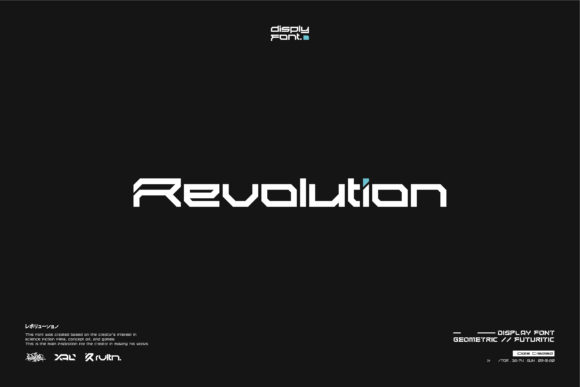
In today’s fast-paced digital world, typography plays a pivotal role in shaping visual communication. From branding to web design and everything in between, choosing the right font can elevate a project from good to extraordinary. Enter Revolution, a futuristic sans serif typeface that captures the essence of innovation through its bold, clean lines and dynamic character shapes. Inspired by sci-fi films, video games, and concept art, Revolution is more than just a font—it's a visual statement that aligns with modern creative and technological trends.
What Makes Revolution Unique?
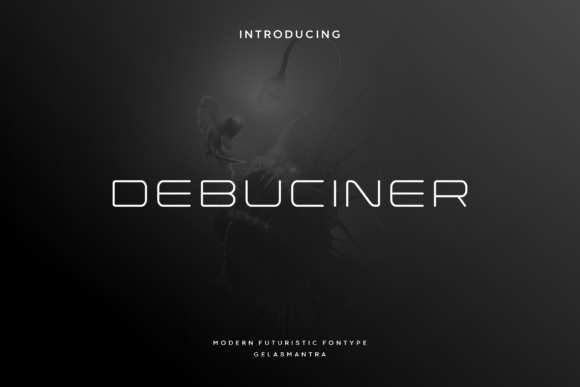
At first glance, Revolution stands out with its sleek, geometric structure. The absence of serifs gives it a contemporary edge, while the subtle weight variations and sharp angles evoke the imagery of advanced technology and space-age aesthetics. Designed with clarity in mind, this typeface ensures legibility even at smaller sizes, making it versatile for both print and digital media.
One of the most notable features of Revolution is its PUA encoding. This means that users can easily access a wide range of special glyphs, symbols, and ligatures without requiring complex software or plugins. Whether you're designing a high-impact poster or crafting an engaging headline for a website, Revolution simplifies the process of adding unique typographic flair.
Key Characteristics of the Font
- Modern Aesthetic: Clean lines and minimal embellishments make it ideal for forward-thinking brands and digital platforms.
- High Contrast: Offers strong visual hierarchy, especially useful for headlines and call-to-action elements.
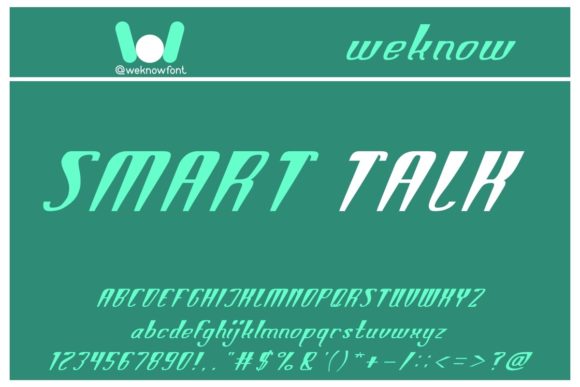
- Extensive Glyph Set: Includes alternate characters, icons, and ligatures for added customization and creativity.
- Responsive Design Compatibility: Works seamlessly across screens, from mobile devices to large billboards.
The Broader Industry Context
Revolution is part of a growing trend toward future-focused typography in the design industry. As businesses and creators seek to differentiate themselves in increasingly saturated markets, fonts like Revolution provide a tool to communicate vision, ambition, and technological advancement. This shift is particularly evident in sectors such as tech startups, gaming, entertainment, and e-commerce, where visual identity is crucial to capturing attention and conveying brand values.
In the realm of marketing and advertising, typography serves as a silent yet powerful communicator. Revolution’s clean and assertive style allows messages to be delivered with impact and clarity—two key factors in effective branding. Its use in posters, banners, and social media content helps designers stand out in crowded feeds and physical spaces alike.
How Revolution Aligns with Market Trends
- Rise of Digital-First Branding: With more consumers interacting with brands online, fonts must perform well across multiple digital platforms. Revolution’s adaptability ensures consistent visual appeal on websites, apps, and mobile interfaces.
- Minimalism and Clarity: Modern audiences favor clean, uncluttered designs. Revolution supports minimalist layouts while still delivering personality and strength through its form.
- Personalization and Customization: The font’s PUA-encoded glyphs allow for tailored typographic expressions, meeting the demand for unique and personalized design solutions.
Why Creators Are Paying Attention to Revolution
Designers and creatives are always on the lookout for tools that enhance their workflow and deliver standout results. Revolution has quickly gained traction due to its ability to blend functionality with artistic expression. It enables professionals to create visually compelling content without sacrificing readability or accessibility.
Moreover, Revolution is not limited to a specific niche. While it was initially inspired by science fiction and futuristic themes, its versatility allows it to fit into various industries. For instance, it can be used effectively in:
- Product packaging for tech gadgets
- Event posters for gaming conventions
- Website headers for innovative startups
- Social media graphics for lifestyle brands embracing the future
This broad applicability makes Revolution a valuable asset in any designer’s toolkit. Its popularity is also driven by the increasing importance of brand storytelling—a practice that relies heavily on visual language to connect with audiences emotionally and intellectually.
Real-World Applications of Revolution
Consider how Revolution could transform a product launch campaign for a wearable tech company. Traditional sans serif fonts might lack the punch needed to convey cutting-edge innovation. Revolution, however, brings an immediate sense of forward motion and technical sophistication. When paired with neon accents and metallic gradients, it creates a cohesive look that speaks directly to a tech-savvy demographic.
Another example lies in the world of event promotion. A music festival themed around virtual reality and immersive experiences would benefit greatly from using Revolution in its promotional materials. The font’s futuristic vibe complements the event’s narrative, helping to build anticipation and reinforce the brand experience before attendees even arrive.
Changing Needs and Expectations in Typography
As the creative landscape evolves, so do the expectations of professionals and consumers alike. Today’s designers are not only looking for fonts that are visually appealing but also ones that support efficient workflows and adapt to diverse platforms. Revolution addresses these changing needs by offering a balance between aesthetic value and usability.
Consumers now engage with content across multiple touchpoints, including mobile devices, tablets, and smartwatches. Fonts need to maintain consistency and legibility regardless of screen size or resolution. Revolution’s optimized design ensures it looks great whether displayed on a smartphone or projected on a cinema screen.
Additionally, there is a rising demand for fonts that reflect inclusivity and accessibility. Revolution supports a variety of languages and scripts, making it a global option for international projects. Its clear letterforms help ensure readability for users with different levels of visual acuity, aligning with broader efforts to make digital content accessible to all.
Adapting to New Workflows
With the rise of remote work and hybrid teams, collaboration tools have become central to the creative process. Fonts like Revolution integrate smoothly into design software such as Adobe Photoshop, Illustrator, and Figma, allowing teams to work cohesively without compatibility issues. Its PUA encoding also simplifies the use of custom glyphs during collaborative sessions, enabling real-time adjustments and feedback.
For freelancers and entrepreneurs who manage multiple projects, having a font that can transition effortlessly from a logo to a landing page to a print brochure is invaluable. Revolution offers that flexibility, reducing the need to switch between typefaces and streamlining the design process.
Connecting with Larger Developments
Revolution is more than just a response to current trends; it reflects larger developments in how we perceive and interact with digital content. The move toward immersive user experiences, from augmented reality (AR) to interactive web design, demands fonts that feel dynamic and alive. Revolution’s sharp angles and structured forms lend themselves well to these environments, enhancing the overall visual experience without overwhelming the viewer.
In the business world, the font also aligns with the shift toward transparency and authenticity. Brands are no longer relying solely on logos or slogans to tell their story—they’re using every visual element, including typography, to build trust and credibility. Revolution’s clean, straightforward design communicates professionalism and modernity, two traits that resonate strongly with today’s discerning consumers.
On the lifestyle front, Revolution taps into the growing fascination with futurism and speculative design. From fashion to fitness, many industries are adopting a forward-looking mindset to inspire their audiences. A wellness app targeting tech-savvy millennials, for instance, might use Revolution in its interface to signal innovation and a data-driven approach to health.
Tech Integration and Innovation
As artificial intelligence and machine learning continue to shape the design industry, the ability to work with fonts that support automation and scalability becomes essential. Revolution is compatible with automated design systems and AI-generated layouts, ensuring that it remains relevant in the next phase of creative technology. This compatibility allows for faster prototyping and iteration, which is especially beneficial for startups and agencies working under tight deadlines.
Furthermore, with the increasing adoption of voice-based interfaces and smart assistants, the role of visual typography is evolving. While spoken words dominate these interactions, when text appears—whether on a smart speaker display or a voice-controlled car system—it must be instantly recognizable and easy to read. Revolution meets this challenge head-on, combining futuristic styling with the practicality required for emerging technologies.
Conclusion
In a time when visual identity is more important than ever, Revolution emerges as a compelling choice for professionals seeking to make an impression. Its roots in sci-fi and its adaptability across mediums make it a versatile and expressive typeface. By leveraging its strengths, designers can create content that resonates with today’s audiences while staying ahead of the curve in terms of style and function.
Whether you're launching a new brand, promoting a digital product, or simply looking to refresh your design portfolio, Revolution offers a way to infuse your work with energy, clarity, and a touch of the future. As industries continue to evolve and consumer expectations grow, fonts like Revolution will play an increasingly vital role in defining what it means to be modern—and perhaps even revolutionary—in the world of design.