Rainbow Layer: A Playful Font for Creative and Design Projects
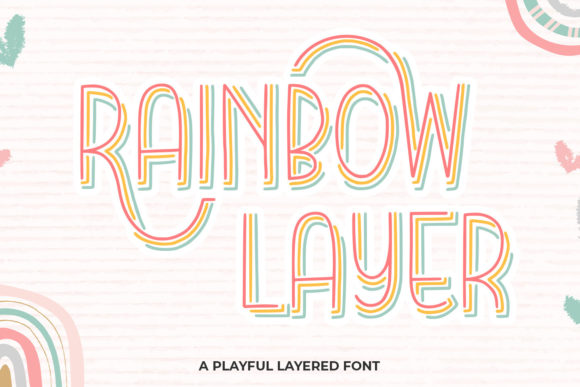
Rainbow Layer is a vibrant, layered font that brings a sense of whimsy and visual interest to text-based designs. It’s crafted with a unique gradient effect that mimics the colors of a rainbow, making it stand out in any context where bold, eye-catching typography is needed. This font isn’t just colorful—it’s also structured in layers, giving it a three-dimensional appearance that enhances its playfulness. Its design makes it especially suitable for use in quotes, taglines, titles, notes, t-shirt designs, mugs, tote bags, cards, banners, and social media content.
What Makes Rainbow Layer Unique?
The standout feature of Rainbow Layer is its multicolored, stacked appearance. Each character is composed of multiple color bands that create a sense of depth and movement. Unlike flat or monochrome fonts, Rainbow Layer uses a combination of hues to form each letter, which can make the text appear more dynamic and engaging at a glance. The font maintains legibility despite its playful nature, ensuring that messages remain clear while still being visually appealing.
This layered aesthetic works particularly well when used in high-contrast backgrounds, such as white or black, allowing the rainbow effect to pop. The font is ideal for projects that aim to evoke positivity, creativity, and energy—qualities often associated with bright colors and bold designs.
Key Features of Rainbow Layer
- Bold Visual Impact: The rainbow layering adds dimension without sacrificing clarity.
- High Legibility: Despite the colorful design, the font remains easy to read, even at smaller sizes.
- Versatile Application: Works across print and digital mediums, including clothing, promotional items, and online graphics.
- Playful Tone: Conveys fun and optimism, perfect for branding that leans into a youthful or creative vibe.
Comparing Rainbow Layer to Other Font Styles
When choosing a font, designers often consider style, purpose, and audience. Rainbow Layer belongs to the category of novelty or decorative fonts but distinguishes itself through its unique layering technique. Here's how it stacks up against other popular font types:
Against Gradient Fonts
Many modern fonts incorporate gradients for a similar effect. However, these are typically applied as smooth transitions between two or three colors. Rainbow Layer goes beyond this by using multiple distinct color bands, creating a more segmented and stylized look. While gradient fonts might be better suited for minimalist or elegant designs, Rainbow Layer excels in environments where boldness and vibrancy are key.
Against Handwritten or Script Fonts
Handwritten and script fonts offer a personal, artistic feel. They’re great for conveying elegance or uniqueness, especially in invitations, branding, or calligraphy-style work. However, they often lack the structural appeal of Rainbow Layer. If your goal is to combine creativity with a bit of structure and visual flair, Rainbow Layer provides an interesting alternative to traditional scripts.
Against Outline or Stencil Fonts
Outline and stencil fonts are commonly used for logos and signage because of their clean edges and strong presence. These fonts tend to have a more serious or professional tone compared to the cheerful and playful essence of Rainbow Layer. Where outline fonts emphasize sharpness and clarity, Rainbow Layer emphasizes joy and creativity, making it more appropriate for informal or youth-oriented projects.
Strengths and Best-Fit Situations
Rainbow Layer shines in specific contexts where visual impact is essential. Some of the most effective use cases include:
- Clothing and Merchandise Designs: T-shirts, hoodies, and accessories benefit from the eye-catching nature of this font. It can add personality to simple slogans or phrases.
- Social Media Graphics: With attention spans short on platforms like Instagram, Twitter, and Facebook, using a font like Rainbow Layer can help your posts stand out.
- Event Banners and Posters: Whether for a children’s party, music festival, or community event, Rainbow Layer can bring a lively and inviting atmosphere to printed materials.
- Quotes and Inspirational Texts: The font complements motivational messages, affirmations, and inspirational quotes with a sense of optimism and enthusiasm.
- Craft and DIY Projects: For handmade greeting cards, scrapbooking, or custom stickers, this font offers a charming and colorful touch.
Its strengths lie in its ability to capture attention quickly and convey a positive, upbeat message. The layered effect also gives it a tactile quality that can be enhanced with various graphic treatments in design software.
Potential Limitations and Tradeoffs
While Rainbow Layer is versatile and expressive, it does come with certain limitations. One of the main tradeoffs is its suitability for long blocks of text. Because of the layered, colorful design, it’s best reserved for headlines, short phrases, or accent text rather than body copy. Using it in large paragraphs may reduce readability and overwhelm the viewer.
Another consideration is the font’s compatibility with different printing techniques. The layered effect might not translate perfectly in all print settings, especially if the printer has limited color resolution or if the project requires grayscale reproduction. In such cases, a simpler version or alternative font might be necessary.
Additionally, the playful tone of Rainbow Layer may not align with all brand identities. If your project requires a more formal, sophisticated, or muted aesthetic, this font could feel out of place. Understanding your target audience and the message you want to convey is crucial before selecting Rainbow Layer.
How to Use Rainbow Layer Effectively
To get the most out of Rainbow Layer, consider the following tips:
- Use Sparingly: Apply it to headlines, titles, or key phrases instead of entire texts to maintain focus and readability.
- Pair with Solid Backgrounds: White or black backgrounds tend to highlight the layered colors best. Avoid busy or patterned backgrounds that can compete with the font’s visual elements.
- Experiment with Size and Spacing: Larger sizes enhance the dimensional effect. Adjusting line spacing and character width can also improve aesthetics depending on the layout.
- Combine with Complementary Elements: Add illustrations, hand-drawn elements, or soft pastel tones to balance the intensity of the font.
- Test in Different Formats: Before finalizing a design, test Rainbow Layer in both digital and print formats to ensure it looks consistent across mediums.
Alternatives to Consider
If Rainbow Layer doesn’t fit your needs, there are several alternatives worth exploring:
- Flat Gradient Fonts: These provide a smoother transition between colors and are less distracting for longer texts.
- Modern Sans-Serif Fonts: Clean and minimalistic options like Montserrat or Lato are excellent for professional and digital applications.
- Comic or Cartoon Fonts: For a similarly playful look, fonts like Comic Sans MS or Chalkduster offer a lighter-hearted approach without the layered effect.
- Custom Vector Art: If you need something truly unique, designing your own layered text in vector software like Adobe Illustrator can give you full control over the colors and shapes.
Choosing the right font depends on your design goals and the medium you're working with. Rainbow Layer is a standout option for those who prioritize visual engagement and a cheerful tone, but it's important to evaluate whether it aligns with the overall aesthetic and message of your project.
When Is Rainbow Layer the Right Choice?
Rainbow Layer is best suited for projects where you want to inject a sense of fun and vitality. If you're designing for a younger audience, creating content for educational or motivational purposes, or working on merchandise that needs to stand out, this font could be a great fit. It’s also an excellent choice for seasonal campaigns, festivals, or any theme that benefits from a colorful and lively presentation.
However, if your project demands subtlety, professionalism, or extended readability, it may be better to explore more conventional or neutral font styles. Always consider the context, platform, and audience when deciding whether to use Rainbow Layer.
Final Thoughts on Choosing Rainbow Layer
In summary, Rainbow Layer is a distinctive font that combines playfulness with functionality. Its layered, rainbow-colored design makes it ideal for short-form text and creative visuals where capturing attention is a priority. While it may not be suitable for every design scenario, it offers a unique advantage in environments that thrive on color and energy.
By understanding its strengths and limitations, you can determine whether Rainbow Layer will enhance your project or distract from it. When used thoughtfully, it becomes a powerful tool for crafting memorable and engaging designs.